Gi vs. No-Gi Jiu-Jitsu: Two Formats, One ArtRange and Rhythm: Muay Thai Kicking Fundamentals

Gi vs. No-Gi Jiu-Jitsu: Two Formats, One Art

Gi vs. no-gi jiu-jitsu is a conversation most grapplers eventually have, and people often have strong preferences for one format or the other. The gi is the traditional form of Brazilian Jiu-Jitsu, while no-gi has developed into a competitive path of its own. Both are practiced at the highest levels, and organizations like the International Brazilian Jiu-Jitsu Federation (IBJJF) hold championships in both formats.

The core techniques overlap more than many people realize. What changes is what each person can grip, how quickly exchanges develop, and which positions are most effective. Neither format is a lesser version of the other.

Gi vs. No-Gi Jiu-Jitsu: Grips and Control

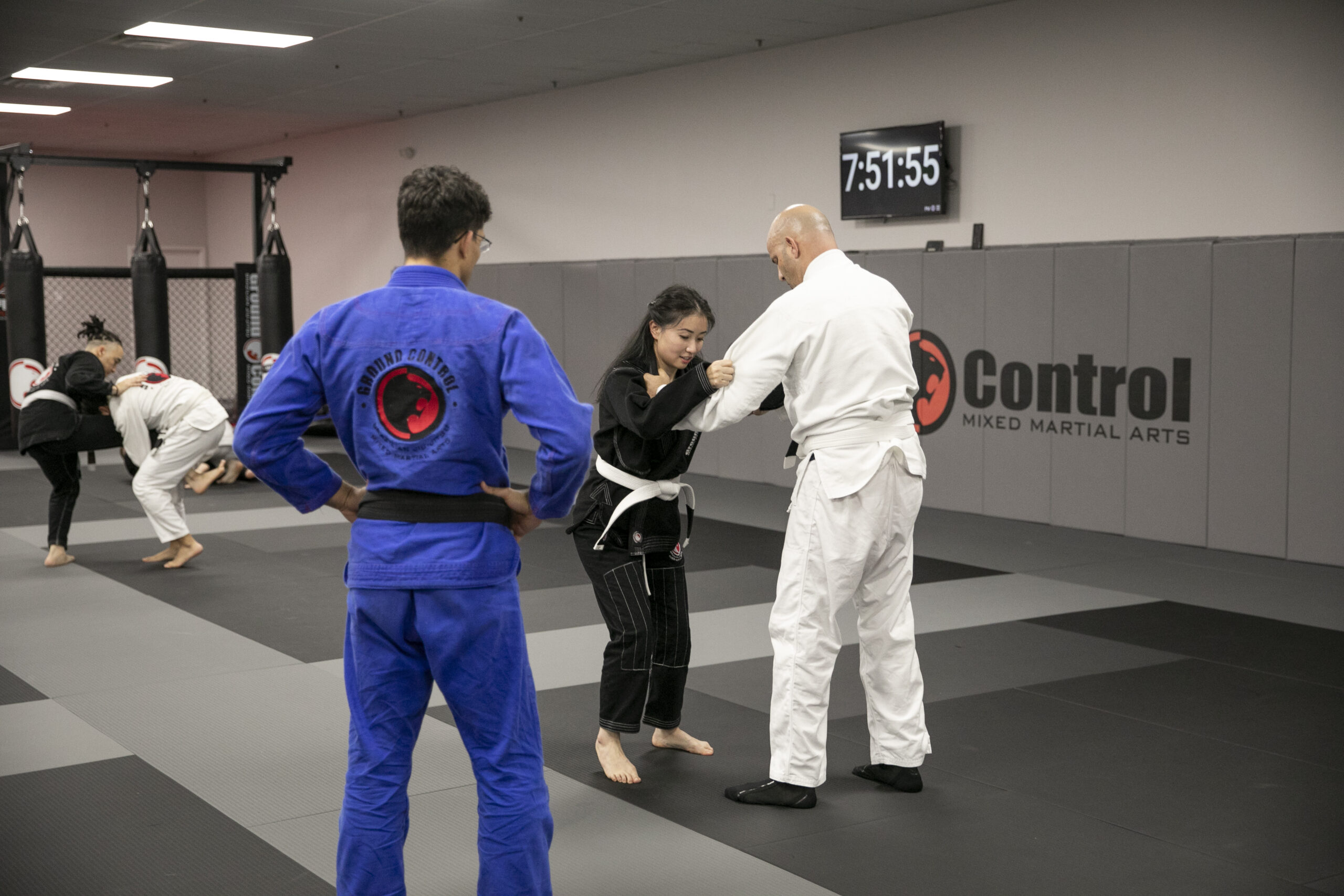
In the gi, the collar, sleeves, lapel, and pants provide both grapplers with fixed handles. A major part of each exchange involves grip fighting, which means securing the grips you want while breaking the ones your opponent establishes. These grips allow a grappler to manage distance, pull a partner off balance, and create opportunities for sweeps and passes.

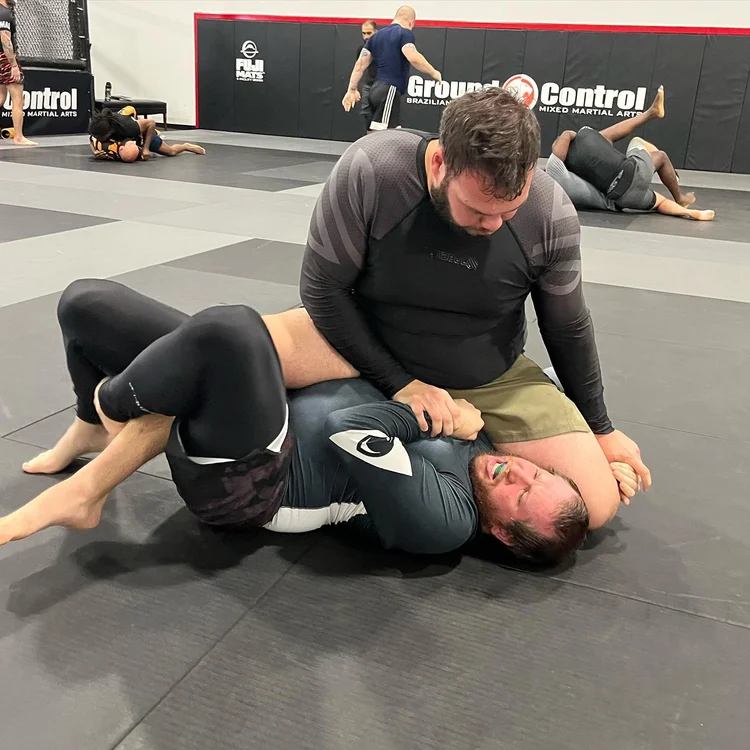
No-gi still involves plenty of gripping, but the grips come from the body rather than clothing. Wrist control, underhooks, overhooks, head control, and body locks take the place of sleeve and collar grips. Since sweat can make these holds slippery, grapplers often need to establish their control again throughout an exchange.

Pace and Scrambling

Grips on clothing can slow an exchange down. Once a strong grip is established, breaking it can take considerable effort, allowing positions to be maintained for longer while the pace builds gradually. This patience and attention to detail are important parts of what many practitioners enjoy about the gi.

No-gi generally moves at a faster pace. Without as much clothing to hold on to, partners can escape positions more easily, which often leads to more scrambles. Consider a guard pass: in the gi, a grip on the pants or lapel can help a passer control the hips and prevent the guard from being recovered. In no-gi, the passer often needs to control the legs, hips, and upper body directly to prevent the same recovery.

Our guide to how scrambles work in no-gi takes a closer look at these exchanges.

Guards, Submissions, and Takedowns

Many gi guards rely on grips that use the clothing. Spider guard, lasso guard, and worm guard all depend on sleeve or lapel grips to control distance and posture. In no-gi, guards such as butterfly, half guard, and seated guard rely more on underhooks, head control, and body positioning, while leg entanglements tend to appear more frequently.

Armbars, triangles, kimuras, and rear-naked chokes are used in both formats, although the details of finishing a submission can change depending on whether fabric is available to grip. Cross-collar chokes depend on the gi itself. Guillotines, D’Arce chokes, and anacondas are common in no-gi, but they are not exclusive to that format. Which submissions are permitted also depends on the organization, belt level, and competition format, particularly when it comes to leg attacks.

Takedowns follow a similar pattern. In the gi, judo-style grips on the lapel and sleeve create opportunities for throws and trips. Without those grips, takedowns often draw more heavily from wrestling techniques, including single legs, double legs, snap downs, and body locks. Wrestling and judo principles can still apply to both formats, but the grips and setups may need to change.

Where No-Gi Connects to MMA

Without a jacket to grip, no-gi control relies on the body itself through head position, underhooks, wrist control, and body locks. These are also the types of grips and positions fighters use in MMA, which is why no-gi grappling often translates more directly into that environment. Wrestling-based takedowns and scrambles also resemble many of the exchanges that happen inside the cage.

MMA introduces challenges that are not present in a no-gi BJJ match. Fighters must account for strikes and the cage, and a position that works well when the primary goal is securing a submission may need to change when punches are involved. No-gi provides useful grappling tools, but applying them effectively in MMA requires accounting for these additional factors.

That does not make the gi less valuable for someone interested in MMA. Pressure, balance, and positional control are developed in both formats, and many fighters have experience training in each. Our guide to moving from BJJ to MMA explores that transition in more detail.

Why Many Grapplers Train Both

Each format can reveal weaknesses that the other might hide. Strong grips in the gi can sometimes compensate for loose body positioning, but no-gi tends to expose that weakness quickly. Likewise, fast scrambles in no-gi can make it easier to overlook missing technical details, while the slower grip fighting of the gi often brings those details back into focus.

That is why many grapplers approach the two formats as complementary styles of training. Time spent in the gi improves how a person thinks about grips and posture, while no-gi develops the ability to control another person’s body without relying on clothing grips. There is nothing wrong with having a favorite, either. Both formats offer plenty of opportunities to improve, and training in both can make familiar habits easier to recognize.

Whichever format you choose to start with, the fundamentals carry over. At Ground Control Palm Beach, we offer Brazilian Jiu-Jitsu and MMA classes for anyone interested in learning these martial arts and developing their grappling skills.

Don’t Stop Here

More To Explore

Join Us

Try A Class
For Free