Back to School and Back to the Mats: Building a Strong School-Year Routine

Backpacks are coming out, school supplies are ready, and families are shifting from summer schedules back into the school-year routine. For Ground Control Palm Beach families, August is also a great time to think about a youth Jiu-Jitsu back-to-school routine that can actually stick.

Some youth students have been on the mats throughout the summer, whether through regular Jiu-Jitsu classes, summer camps, wrestling, or other training. Others may have traveled, taken some time off, or followed a less structured summer schedule. There are also plenty of students who will be stepping into Ground Control for the first time this fall. Wherever your child is starting from, the beginning of the school year creates a natural opportunity to make martial arts part of the family’s regular weekly routine.

Building a Youth Jiu-Jitsu Back to School Routine

Summer schedules tend to be more flexible, but once school begins, families are suddenly coordinating classes, homework, dinner, activities, and bedtimes again. Adding Jiu-Jitsu to that schedule gives youth something productive to look forward to outside of the classroom while reinforcing many of the same habits they need during the school day.

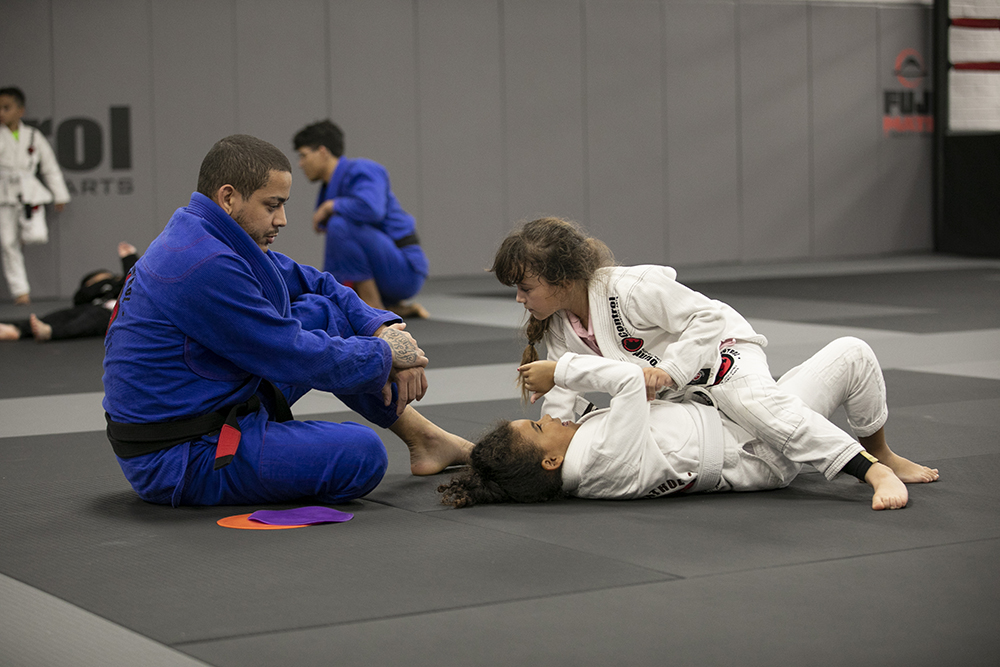
On the mats, students need to pay attention while a coach demonstrates a technique, remember the steps, work with a training partner, accept corrections, and apply what they have learned. When something does not work, they have to figure out why, make an adjustment, and try again.

Those lessons become even more apparent during live training. A student may get stuck in a difficult position, have an escape shut down, or get caught in a submission. They learn to tap, reset, and start again. These moments can teach composure, patience, problem-solving, and persistence in ways that are difficult to replicate simply by talking about those qualities.

Building Confidence One Class at a Time

Confidence in Jiu-Jitsu is not developed simply by telling a student to be confident. It grows through experience. A student learns a new technique, finally escapes a position that has been giving them trouble, earns a stripe, successfully executes something they have practiced repeatedly, or becomes more comfortable working with different training partners. Each accomplishment may seem small on its own, but those moments add up over time.

Jiu-Jitsu also teaches youth that struggling with something does not mean they are incapable of doing it. Sometimes they need to listen more carefully, try a different approach, practice longer, make an adjustment, or simply keep showing up. Learning to work through frustration and continue trying is an important skill whether a student is dealing with a difficult position on the mats, a challenging assignment in the classroom, or something else that does not come easily.

Get the Gi Bag Ready

Once the school year gets busy, getting to class consistently often comes down to preparation. If your child trains in the gi, pack the gi and belt ahead of time instead of searching for everything when it is time to leave. Rash guards, shorts, water bottles, and other training gear can also go into the bag the night before.

Keeping up with laundry becomes part of the routine as well. Gis and training clothes should be washed after training, and families with youth who train several times each week may find it helpful to have more than one gi or set of training gear available. Nothing makes getting out the door more difficult than discovering that the gi from the last class is still sitting at the bottom of the laundry basket.

It is also a good idea to check the current youth schedule at your Ground Control Palm Beach location as the school year begins. Class times can vary, so choose training days that realistically fit with school, homework, meals, transportation, and the rest of your family’s schedule.

A Healthy Outlet After the School Day

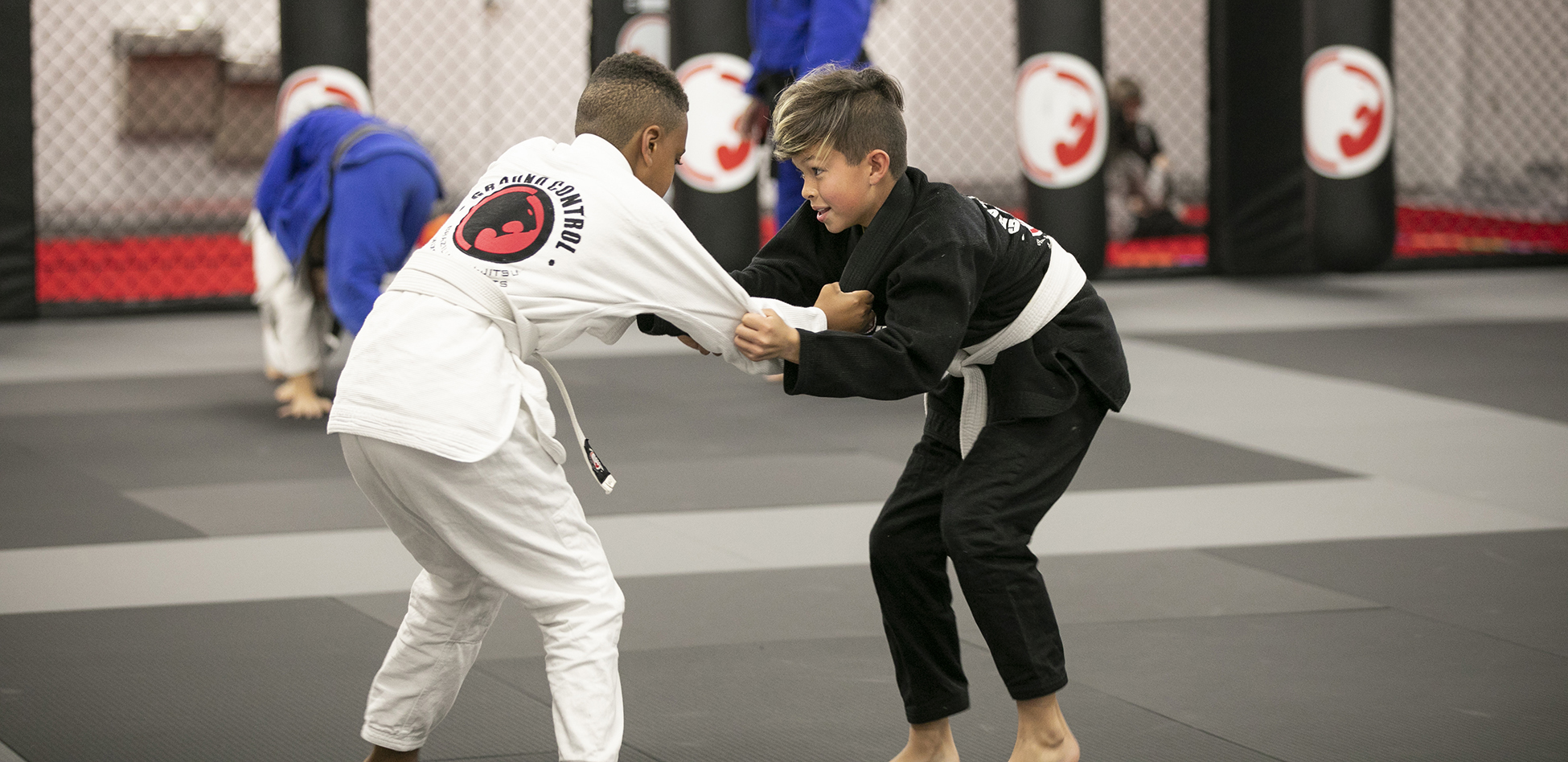
After spending much of the school day sitting, concentrating, reading, writing, and following a classroom schedule, many youth are ready to move. Jiu-Jitsu provides a physical outlet while still requiring students to think. They are learning techniques, reacting to training partners, solving problems, and making decisions while their bodies are working.

That combination of physical and mental activity is part of what makes martial arts different from simply getting exercise. Students have an opportunity to burn energy and improve their conditioning while developing balance, coordination, body awareness, timing, and control.

For students heading to training soon after school, a little planning can make the transition easier. Have an after-school snack and water available, determine when homework will be completed, and establish which days are training days. When the routine is predictable, getting to class becomes part of the week rather than another decision the family has to make every afternoon.

Training With Friends and Making New Ones

One of the best parts of returning to the mats is seeing teammates again. Students train together, drill together, solve problems together, and encourage one another as they improve. In the process, they learn how to be good training partners and how to work with people who may have different personalities, abilities, body types, and levels of experience.

For students who are just starting, martial arts can also provide an opportunity to become part of a community outside of school. While Jiu-Jitsu includes individual achievement and competition, nobody learns the sport completely on their own. Every student relies on coaches and training partners to improve, creating friendships and a sense of camaraderie that can become an important part of the training experience.

Consistency Matters More Than an Overloaded Schedule

The beginning of the school year can quickly become a competition for space on the family calendar. Rather than creating a training schedule that becomes difficult to maintain once homework, school activities, and other commitments pick up, choose a routine that your family can realistically follow.

Consistency matters in Jiu-Jitsu because skills build on one another. Students learn positions, escapes, sweeps, transitions, submissions, and defensive concepts over time. As they continue training, they begin recognizing positions they have encountered before, anticipating reactions, and understanding how different techniques connect.

For a returning student, that may mean getting back to the regular training schedule they followed before summer. Someone who spent the summer at camp, wrestling, or participating in another program can bring those experiences back onto the mats. For a student who took some time away, there is no need to make up for everything at once. The important part is getting back into the gym and building consistency again.

The School Year Is a Good Time for New Students to Start

Back-to-school season is also a natural time for new students to try Jiu-Jitsu because families are already establishing their schedules for the year. A new student does not need to arrive knowing how to grapple, already be in great shape, or understand all of the terminology. Those things develop with time on the mats.

As students train, they learn how to control their bodies, use leverage, maintain balance, escape difficult positions, work with different training partners, and remain composed when a technique does not immediately work. Coaches tend to see progress show up in small, specific ways: remembering a technique without help, successfully completing an escape during live training, or simply feeling more comfortable walking onto the mats than they did a few weeks earlier.

Back to School. Back to the Mats.

The beginning of the school year is an opportunity to establish routines that can carry youth through the months ahead. For current Ground Control Palm Beach students, that means getting the gi bag packed, checking the schedule, reconnecting with teammates, and settling back into consistent training. For new students, it can mean stepping onto the mats for the first time and discovering what Jiu-Jitsu has to offer.

Between school, homework, activities, and family commitments, the year will get busy quickly. Making martial arts part of the routine now gives youth a place to stay active, challenge themselves, build confidence, develop discipline, make friends, and continue improving both on and off the mats.

Backpacks are ready. Now it’s time to pack the gi.

Don’t Stop Here

More To Explore

Join Us

Try A Class
For Free